August 31, 2026
The modern construction industry is undergoing a rapid evolution, driven largely by significant technological advancements and expanding capabilities within the structural metal sector. As build timelines tighten and architectural designs become increasingly complex, general contractors rely heavily on specialized metal processing to keep builds on track and within budget. Understanding how the expansion of this industrial sector directly benefits your job site can fundamentally transform the way you plan, execute, and deliver modern building projects.
Accelerating Construction Timelines and Workflows
As construction schedules become tighter and client expectations push for faster project completion, the overall speed of material delivery and structural assembly becomes a defining factor of project success. The rapid expansion of modern metal manufacturing has revolutionized job site schedules by shifting complex cutting, shaping, and assembly work off the physical site and into controlled factory environments. When structural components arrive pre-engineered and ready for immediate erection, on-site installation becomes a streamlined process of systematic assembly rather than raw, time-consuming field fabrication.
General contractors no longer need to spend valuable weeks managing on-site adjustments, unpredictable weather delays, or raw material preparation, because structural components arrive pre-matched to exact design specifications. By partnering with specialized provider networks that offer comprehensive fabrication services, project managers can seamlessly align delivery schedules with critical site milestones to ensure zero operational downtime. This high level of integration between factory production and field operations dramatically cuts overall lead times, allowing project teams to close in structures faster and hand over completed buildings well ahead of schedule.
Enhancing Structural Precision and Quality
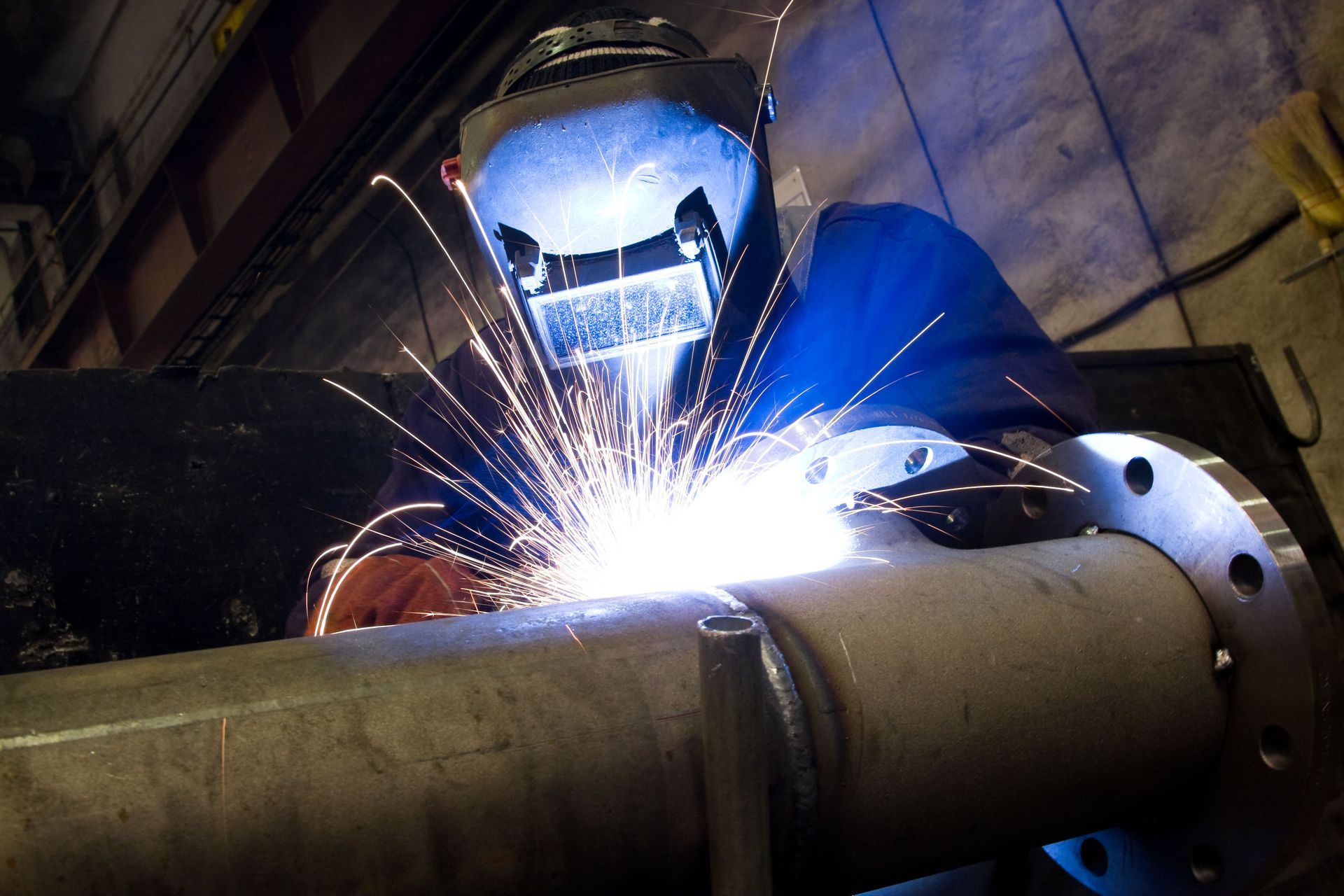
Quality control in modern building projects depends on absolute precision, where even a fraction of an inch can cause massive alignment issues during structural assembly. The steady growth of the metal processing industry has brought state-of-the-art computer numerical control machinery, automated laser cutting systems, and high-precision robotic welding directly into standard production workflows. According to data provided by the U.S. Department of Commerce, metal fabrication represents the third-largest sector within the U.S. manufacturing landscape, reflecting its massive industrial footprint and driving continuous innovation in quality assurance.
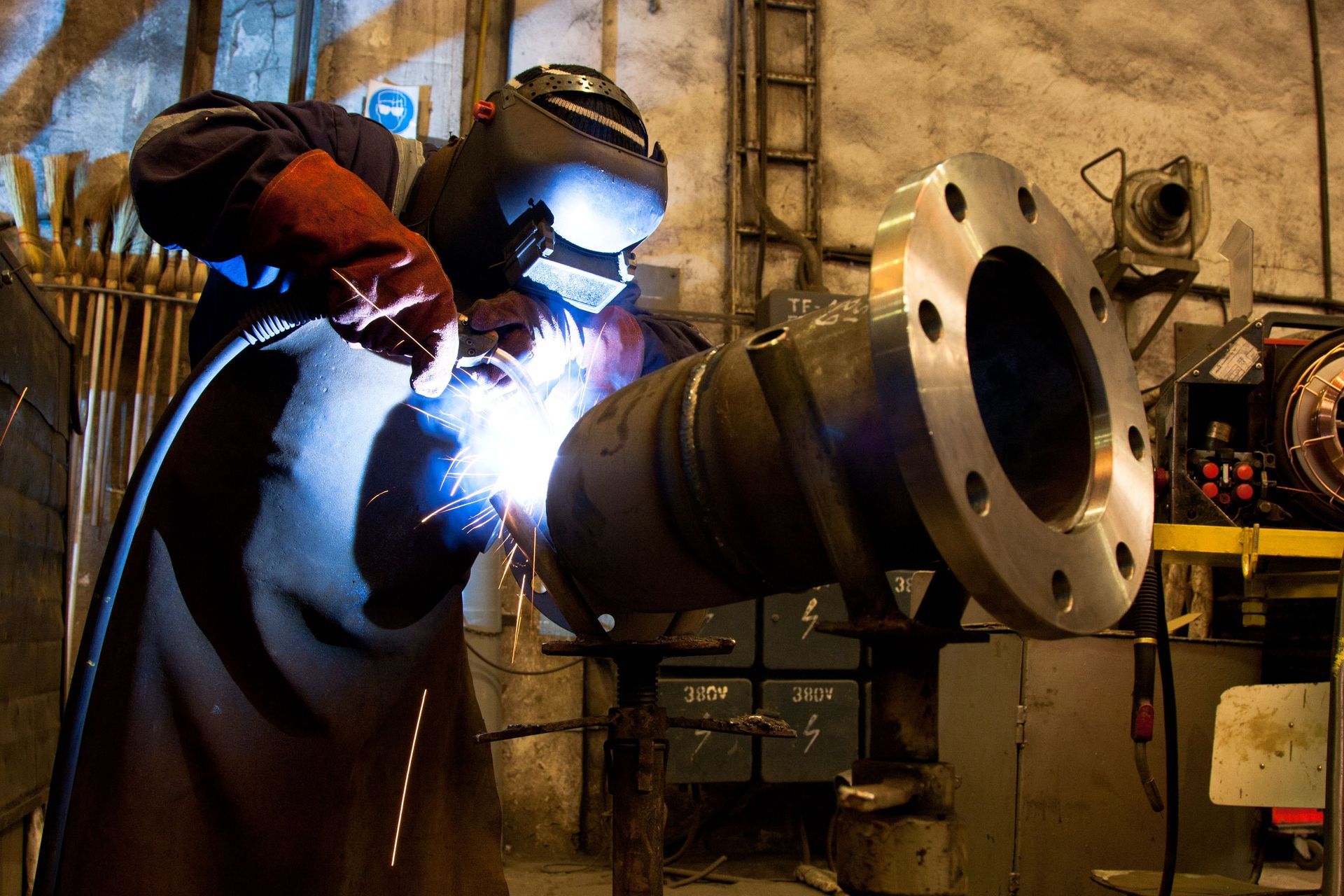
This impressive scale ensures that structural components are created in climate-controlled environments under rigorous quality checks, eliminating the inconsistencies inherent to field cutting and manual welding. When contractors utilize expert fabrication services, they receive structural steel, heavy railings, and intricate framing members that fit together seamlessly on the very first attempt, drastically reducing rework and expensive structural remediation. As a result, the overall structural integrity of the build is significantly improved, satisfying stringent engineering standards and ensuring long-term structural durability.
Mitigating Project Costs and Material Waste
Managing potential budget overruns and excessive material waste is one of the most persistent challenges facing modern construction administrators and financial planners today. The expansion of industrial metal capabilities offers a direct, actionable solution to these financial hurdles through computerized material optimization, precision nesting software, and lean production principles. In a traditional job site setup, raw metal stock must be measured, cut, and welded manually by field workers, leading to significant off-cut scrap waste and expensive labor hours spent correcting minor mistakes.
Modern facilities use sophisticated modeling software to calculate exact material yields, ensuring that raw steel and aluminum stock are utilized with minimal waste left over. Furthermore, contracting specialized fabrication services enables construction firms to lock in fixed material and labor costs early in the project planning stage, reducing overall exposure to unpredictable site labor rates and fluctuating material prices. The dramatic reduction in material waste combined with lower on-site labor requirements creates a far more predictable project budget that protects contractor profit margins while maintaining exceptional structural standards.
Expanding Architectural Flexibility and Customization
Architectural design in contemporary commercial and residential construction frequently pushes the boundaries of traditional structural geometry, demanding customized building solutions that standard off-the-shelf components simply cannot satisfy. The expansion of advanced metal forming, heavy plate bending, and structural shaping technology gives architects and structural engineers unprecedented freedom to design complex curved facades, sweeping long spans, and intricate decorative structural elements. Advanced modeling and building information modeling software allow fabricators to translate intricate architectural concepts directly into precise manufacturing instructions for automated shop tools.
Working alongside professional industrial teams that provide tailored fabrication services gives project developers the ultimate confidence to execute ambitious designs without sacrificing structural stability or overall buildability. Whether a commercial project requires high-strength custom trusses, uniquely angled support columns, or specialized decorative metal paneling, modern manufacturing methods make high-level customization accessible and practical. This incredible versatility allows commercial and residential builds to stand out aesthetically while maintaining the highest levels of structural safety, integrity, and performance.
Strengthening Job Site Safety Standards
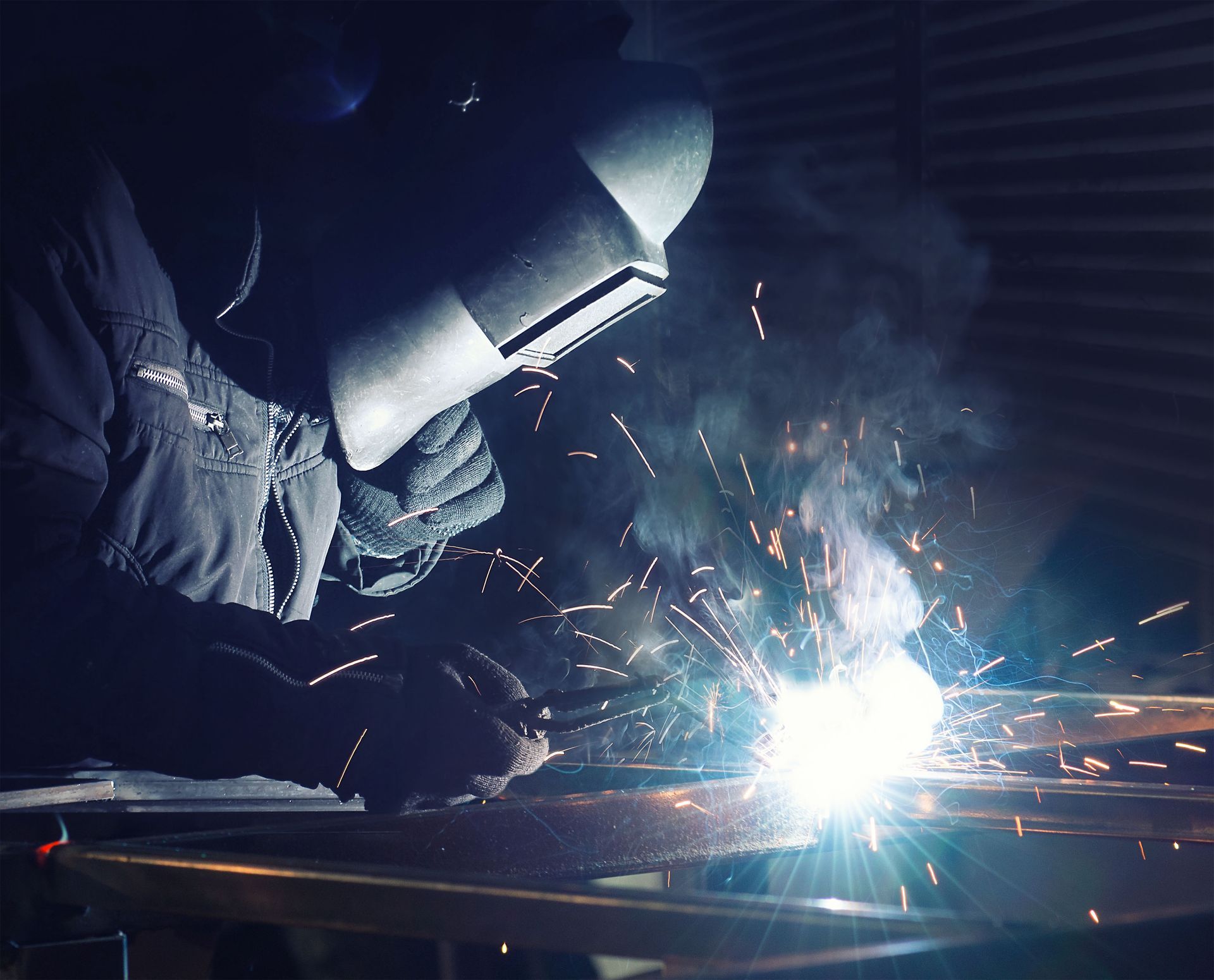
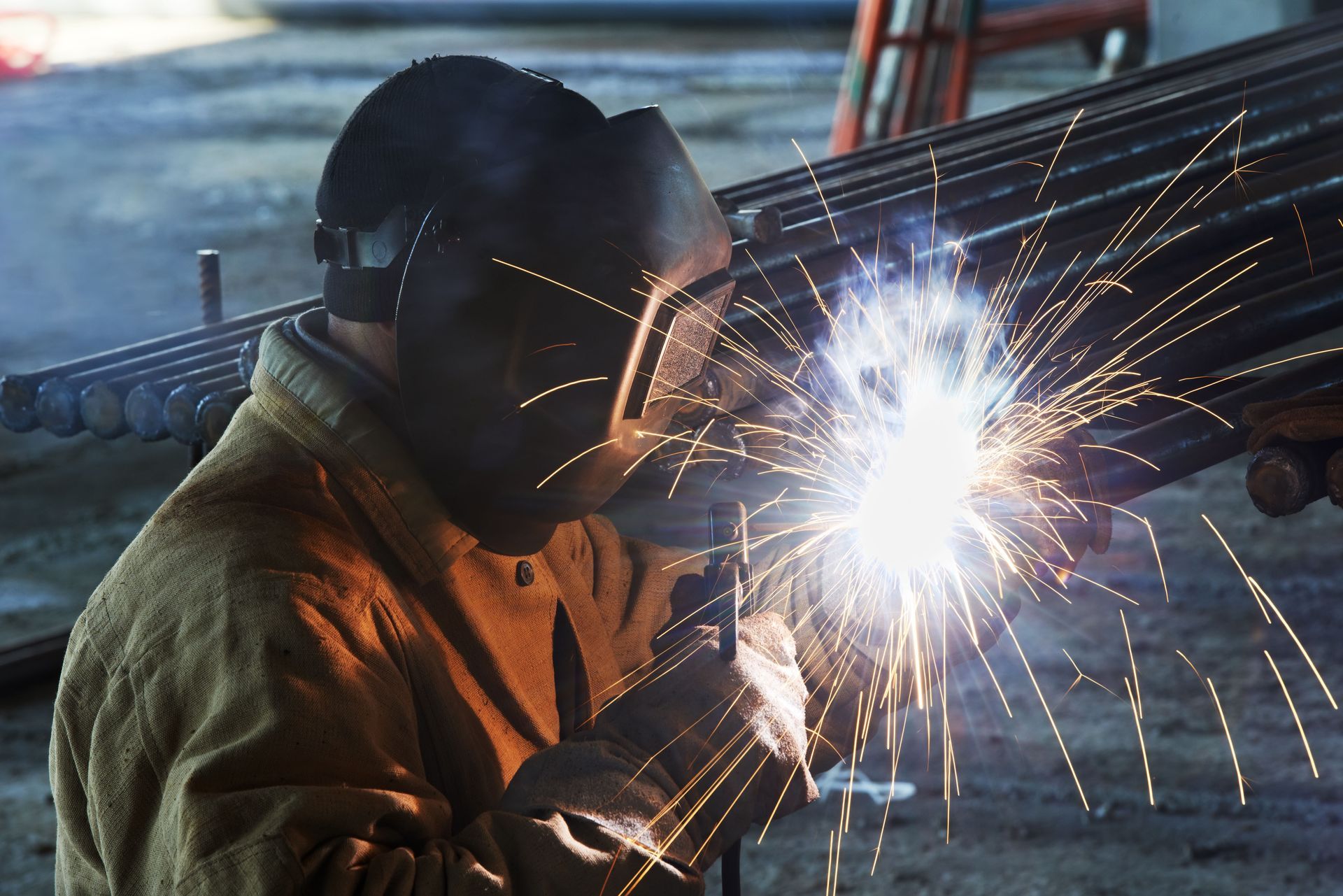
Job site safety remains the single highest priority for construction managers and safety coordinators, as hazardous working conditions can lead to costly project delays, increased insurance premiums, and potential worker injuries. The growth of off-site metal processing contributes significantly to safer job sites by transferring high-risk fabrication activities away from active, fast-paced construction zones. Operations such as heavy overhead metal cutting, continuous arc welding, intense grinding, and raw structural material handling are far better suited for controlled factory floors equipped with specialized ventilation systems, ergonomic overhead cranes, and dedicated safety inspectors.
By relying on pre-assembled components provided through dedicated fabrication services, general contractors minimize the amount of hazardous hot work and high-altitude cutting required directly on site. Field crews can focus on systematic assembly, rigging, and secure mechanical fastening rather than performing dangerous raw material modifications high above the ground. This significant reduction in on-site hazardous tasks directly translates to fewer workplace accidents, lower insurance liability risk, and a far cleaner, more organized job site overall.
Supporting Sustainable Building Practices
Sustainability has shifted from an optional design preference to a mandatory benchmark in modern commercial and residential construction standards across the globe. The steady expansion of the metal processing industry aligns perfectly with these green building mandates, largely because structural metals like steel and aluminum are frequently recycled and reused building materials. Industrial manufacturing facilities operate with strict scrap recovery and closed-loop recycling programs, ensuring that almost every piece of remnant metal is sent back for re-smelting rather than ending up in local landfills.
When general contractors integrate eco-friendly fabrication services into their procurement strategy, they contribute directly to a circular material economy while meeting stringent environmental certifications such as LEED. Furthermore, the excellent strength-to-weight ratio of optimized structural steel reduces the environmental footprint associated with heavy material transport, while the long-term durability of precision-engineered metal elements ensures buildings last for generations without needing resource-intensive repairs. By choosing sustainably produced metal components, construction firms lower their overall carbon footprint while building structures designed for long-term endurance.
The steady expansion of the metal sector offers undeniable advantages for developers, general contractors, and project leaders seeking superior performance and reliability. By integrating these modernized manufacturing approaches into your workflow, you can optimize project schedules, enhance job site safety, and deliver exceptionally durable structures. Embracing these advanced building strategies is ultimately the key to keeping your construction projects efficient, sustainable, and highly competitive in today's market. For more information on how fabrication services from professionals that can offer both services in custom fabrication projects and maintenance for your existing tools and materials within your project, please contact Industrial Maintenance Fabrication today.