July 13, 2026
Maintaining operational efficiency and safety across various industrial sectors requires a dedicated approach to machinery care. With over 30 years of experience serving Northeast Oklahoma, we provide the vital services necessary to keep your fleet operational, including emergency work available. Our team offers free estimates to ensure you know exactly what to expect before any work begins on your fleet. Through high-quality heavy equipment repairs, we help businesses protect their major investments and sustain high productivity levels.
Analyze Heavy Equipment and Its Critical Industrial Uses
Heavy equipment refers to large, powerful machines primarily designed for heavy-duty construction, earthmoving, and fabrication tasks. Examples include bulldozers, excavators, cranes, backhoes, and loaders, with each machine serving highly specific functions within a fleet. These robust machines provide the necessary mechanical muscle to move massive amounts of earth or structural materials safely.
Key industries such as construction, mining, and agriculture rely heavily on these massive mechanical systems to meet daily production targets. Construction crews use these machines for building vital infrastructure, while mining operations employ them to extract valuable minerals from deep within the earth. Agriculture relies on heavy machinery for planting, field preparation, and harvesting across vast areas of land.
Keeping your fleet functional remains a pivotal requirement for maintaining proper workflow and avoiding massive scheduling disruptions. Regular upkeep and timely intervention help prevent unexpected mechanical breakdowns that could stall your entire project. Furthermore, functional machinery ensures that all field operations remain safe for your crew and compliant with strict industrial safety regulations.
Equipment failure can have catastrophic impacts on your daily business operations and long-term project timelines. Such unexpected mechanical failures lead to major project delays, increased overhead costs, and potentially hazardous situations on the job site. Consequently, organizing consistent and professional heavy equipment repairs must always remain a critical business priority.
Recognize the Core Role of Welding
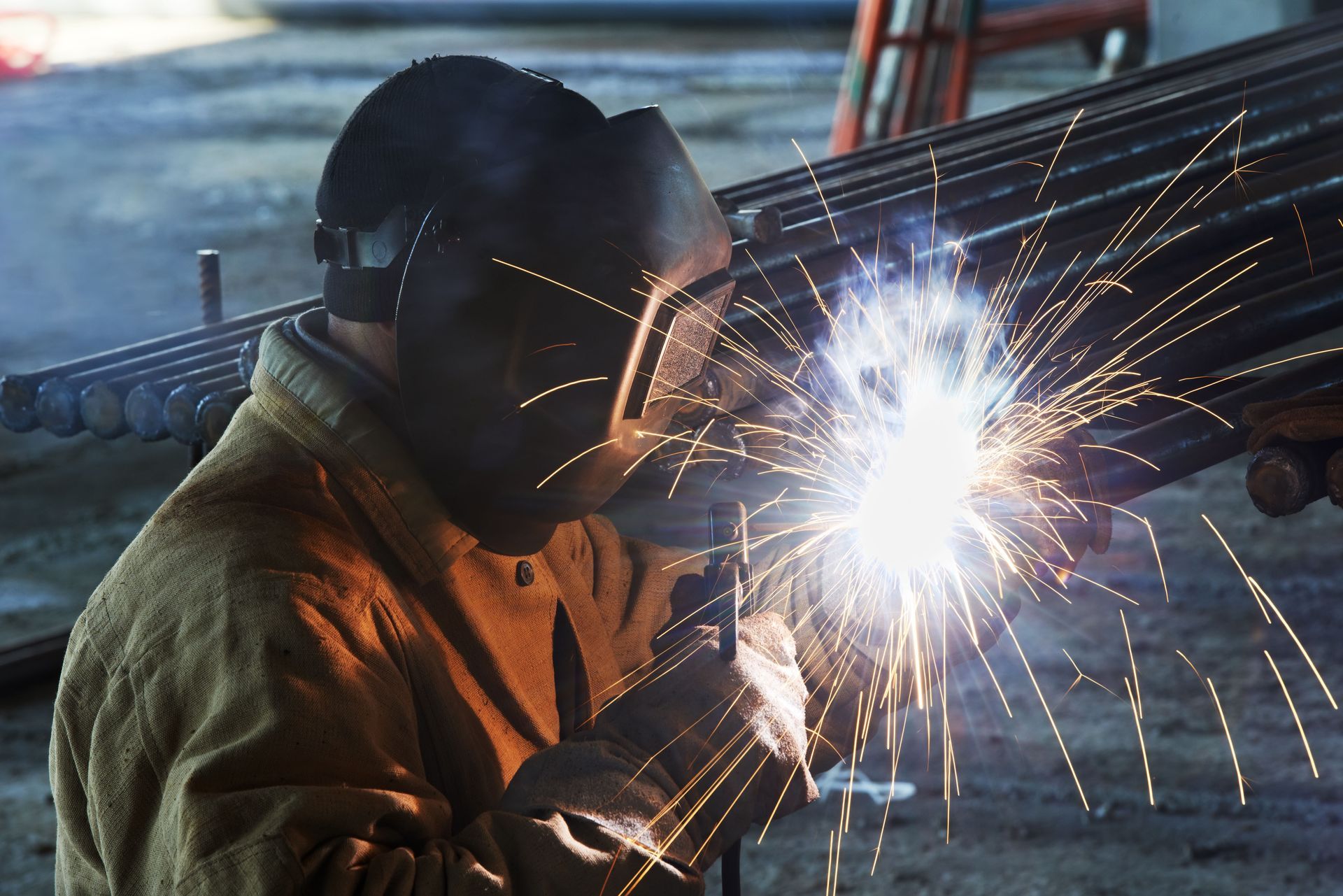
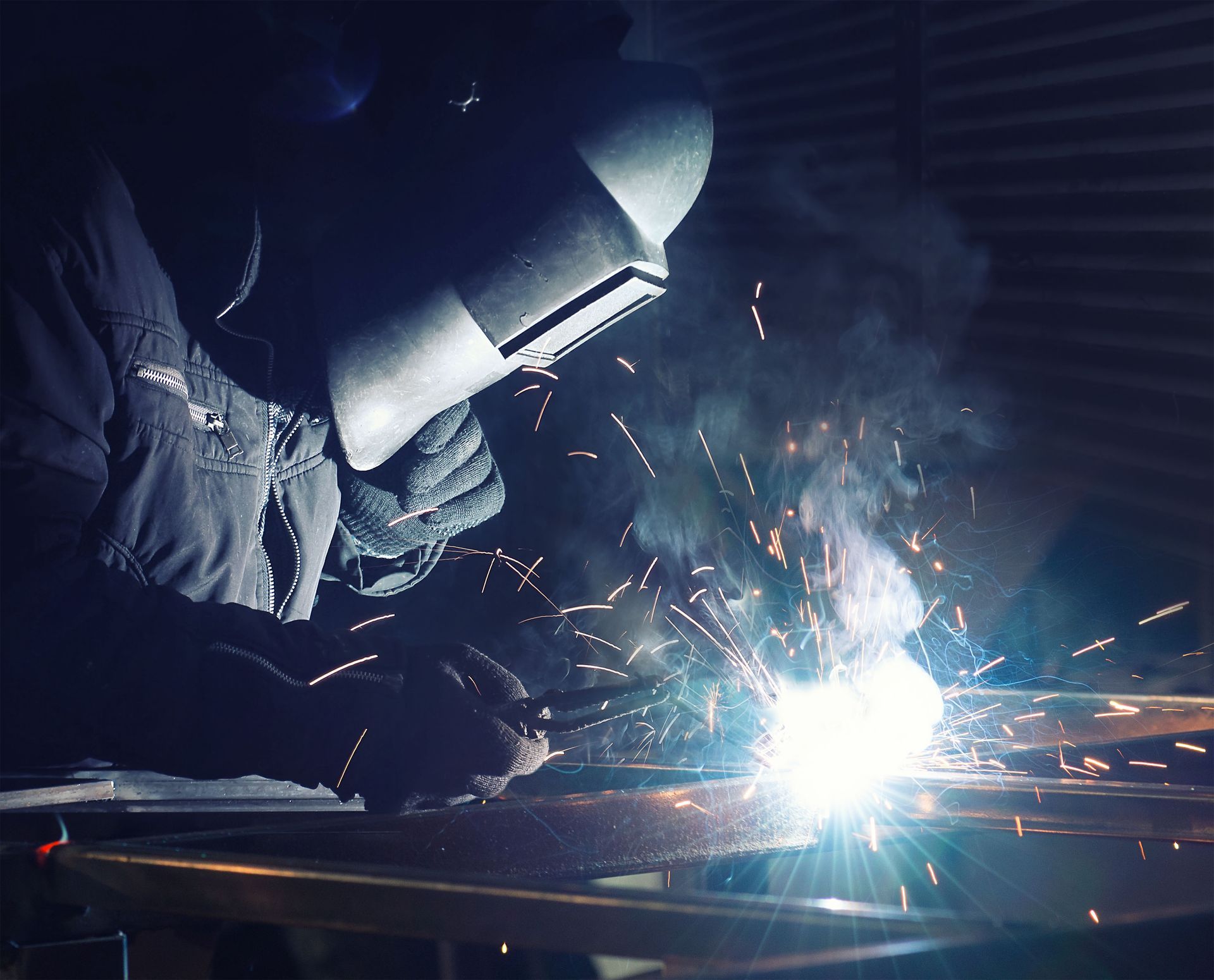
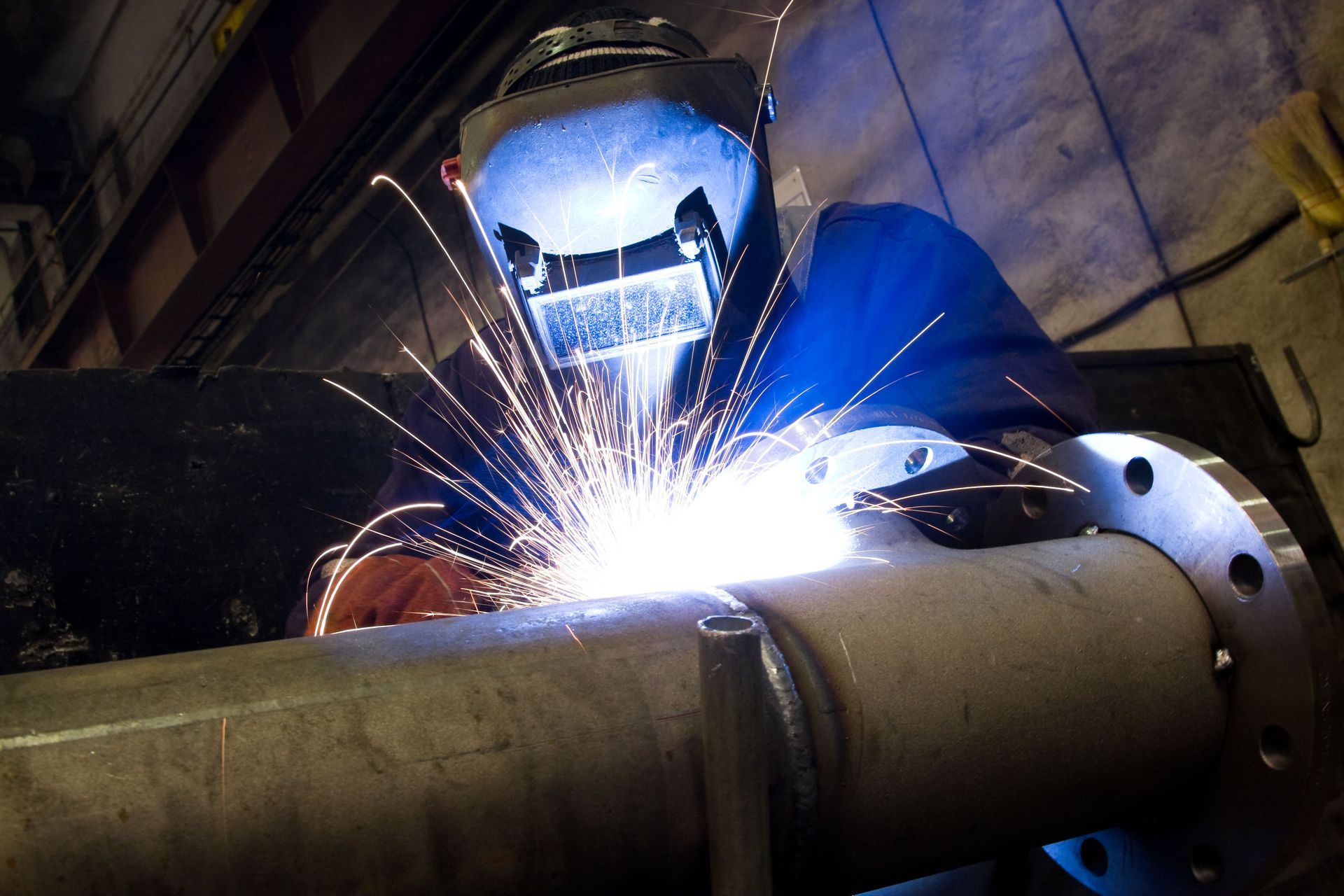
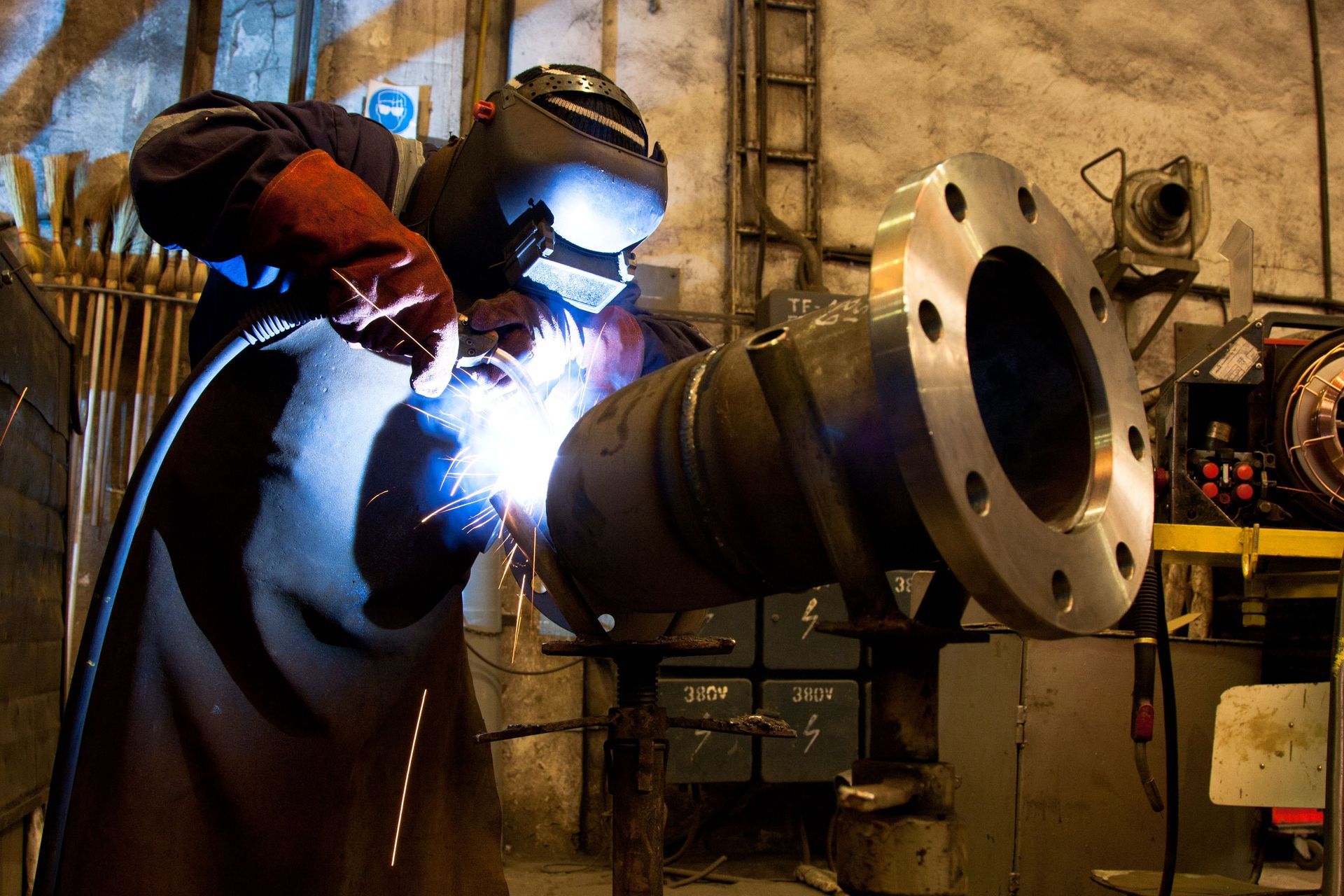
Welding operates as a fundamental process in the restoration of industrial machinery, playing a critical role in maintaining structural integrity. It involves joining separate metal parts together by melting the workpieces and adding a compatible filler material to form a strong bond. This process is absolutely essential for fixing structural fractures, reinforcing high-stress joints, and fabricating completely new components.
Different welding techniques are applied depending on the specific repair requirements and metal compositions of the machinery. Common professional methods include MIG, TIG, and stick welding, with each option offering unique benefits for specific applications. Selecting the appropriate technique is crucial for ensuring a strong, permanent bond that can withstand daily abuse.
Skilled welding professionals remain completely indispensable in the routine maintenance and restoration of major industrial fleets. Their deep technical expertise ensures that every structural modification is robust, durable, and fully compliant with safety standards. According to the American Welding Society, the domestic workforce includes approximately 771,000 welders as of 2025, which highlights the ongoing relevance of this specialized skill.
Innovations in welding technologies have significantly enhanced our ability to perform precise and efficient structural restorations. Advancements such as automated systems and robotic welding units drastically increase overall precision and speed. Staying abreast of these technical innovations allows us to improve project outcomes and deliver exceptional results through professional heavy equipment repairs.
Implement Key Maintenance Practices for Heavy Equipment
Routine inspection procedures are pivotal in identifying potential mechanical issues before they escalate into catastrophic failures. These detailed inspections involve checking vital fluid levels, monitoring component wear, and evaluating overall system functions. Frequent operational checks ensure that any early signs of wear or internal malfunction are addressed promptly.
Preventive maintenance strategies focus on regular, scheduled servicing to avoid unexpected breakdowns during critical operations. They involve systematic inspections, fluid changes, and timely part replacements, drastically reducing the likelihood of sudden mechanical failures. Integrating both preventive and reactive approaches can provide a balanced strategy that addresses immediate emergency needs while carefully planning for the future.
Proper lubrication is a critical aspect of keeping your machinery running smoothly and ensuring long-term component longevity. Adequate lubrication prevents premature wear and tear by minimizing direct metal-on-metal friction within moving parts. Regularly checking and replenishing lubricant levels is a simple yet highly effective way to maintain peak equipment performance.
Technological advancements have revolutionized modern maintenance practices, significantly enhancing both diagnostic efficiency and repair precision. Tools like predictive analytics and internet-connected sensors enable real-time monitoring of critical equipment conditions in the field. Integrating technology into your fleet strategy is paramount for executing successful heavy equipment repairs today.
Overcome Challenges in Modern Machinery Service
Heavy machinery service presents several complex challenges, including accurately diagnosing intricate mechanical and hydraulic problems. Identifying the true root cause of complex system issues requires deep specialized knowledge and years of hands-on experience. Developing a proactive diagnostic approach is essential for minimizing unexpected operational disruptions across your entire enterprise.
The rapid availability of high-quality spare parts and industrial supplies is crucial for effective restoration work. Lengthy delays due to unavailable components can significantly extend your repair timelines and stall active job sites. Efficient supply chain management remains vital for minimizing downtime and delivering timely heavy equipment repairs.
Continuous training and ongoing skill development are necessary to keep pace with rapidly evolving industrial machinery technologies. Technicians must remain highly proficient in utilizing the latest diagnostic tools and advanced metal fabrication techniques. Such ongoing educational investments are essential for equipping our personnel to tackle emerging mechanical challenges effectively.
Collaboration with equipment manufacturers is vital for accessing expert technical insights and specialized factory support. Original manufacturers provide valuable resources, including proprietary technical guides, schematics, and specialized training modules. Such close collaboration is crucial for leveraging industry expertise and improving the quality of heavy equipment repairs.
Anticipate the Future of Industrial Machinery Support
Automation and robotics are rapidly transforming the industrial machinery service sector, enhancing overall precision and efficiency. Autonomous systems can now execute routine maintenance tasks, drastically reducing human error in the field. Advanced robotics improve access to hard-to-reach structural areas and expedite highly complex structural weld processes.
Data and predictive analytics have become essential components of modern, data-driven fleet management strategies. They enable continuous, real-time monitoring and deep analysis of critical machinery performance metrics. Utilizing these data-driven insights optimizes maintenance scheduling and improves resource allocation across your fleet.
Sustainability is becoming increasingly important in industrial machinery service, with a strong focus on eco-friendly solutions. Utilizing biodegradable hydraulic lubricants and recyclable structural materials significantly reduces your overall environmental impact. Prioritizing sustainability benefits both the local environment and your commercial brand reputation.
The emergence of remote troubleshooting technologies has revolutionized how we address unexpected machinery field failures. Through advanced digital connectivity and telemetry, remote technicians can accurately diagnose and resolve specific software or mechanical issues. Adopting these technologies enhances our responsiveness when performing vital heavy equipment repairs.
Review Case Studies and Proven Success Stories
In the construction industry, innovative restoration approaches have significantly improved overall project outcomes for contractors. Implementing predictive maintenance protocols has enhanced machinery reliability, dramatically reducing unexpected field downtimes. These operational innovations improved project timelines, ensuring timely completion and high client satisfaction.
In the mining sector, extending the lifespan of heavy production machinery resulted in substantial cost savings. Regular maintenance schedules, tightly incorporated with advanced oil analysis systems, have reduced unplanned structural fixes. Such disciplined practices extend useful asset life and enhance overall daily productivity.
In the manufacturing sector, robust mechanical restorations have significantly reduced machine downtime and improved production efficiency. Enhanced collaboration with equipment manufacturers ensured rapid access to replacement parts and specialized technical support. Operational resilience is always bolstered through robust and timely heavy equipment repairs.
Sustaining reliable industrial operations requires a comprehensive approach that seamlessly connects specialized welding to proactive maintenance. We offer an extensive range of capabilities, including a dump truck new floor, excavator repair, a complete heavy equipment rebuild, and the ability to manufacture excavator parts. Our skilled technicians handle tasks ranging from rebuilding hydraulic cylinders, tractor bucket repair, installing tractor pins, to trailer repair and customization. Additionally, we provide precision steel straightening, vandal guards, mobile line boring, custom fabrication, custom machining, hydraulic pressing, line boring, and mobile weld repair to keep your operation moving. Let our team at Industrial Maintenance Fabrication handle your next project to experience the difference that true expertise makes for your business success.